

Health, safety and environment is not a new field in Brunei Darussalam, but it is a growing one. As companies increasingly recognise the importance of protecting their employees’ wellbeing, demand for skilled HSE professionals continues to rise. Brunei’s oil and gas industry, along with its construction and manufacturing sectors, offers real prospects for people entering the field.
This guide covers how to get started, and the regulatory frameworks and qualifications you will be expected to know.
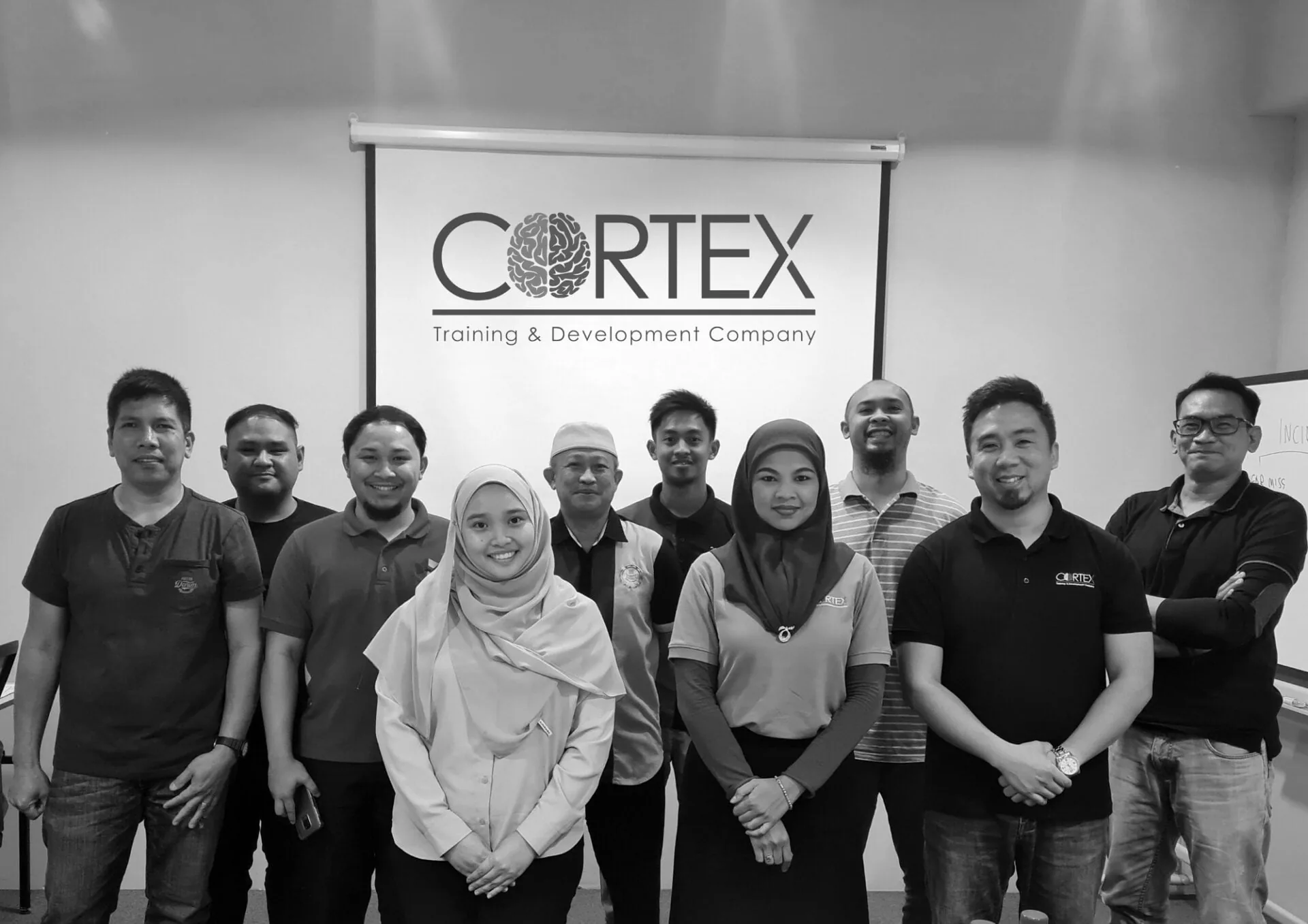
HSE professionals here come from a range of backgrounds — engineering, science, health, management. Because the field is multidisciplinary, a broad understanding of how different industries actually operate matters as much as technical knowledge. Alongside that, you will need to be good with people: negotiation, presenting, and holding your ground in a disagreement are all part of the job.
How to get started
Get a relevant qualification
A degree in engineering, science or occupational health and safety is useful, but it is not the only route in. Many people start with a dedicated HSE qualification such as the NEBOSH International General Certificate in Occupational Health and Safety, which is recognised well beyond Brunei and assumes no prior training.
If you are supervising people rather than specialising, IOSH (UK) Managing Safely is a shorter and more practical starting point. And whichever route you take, you will need to understand Brunei’s own legislation, which is what the Workplace Safety and Health Act, Chapter 277 course covers.
Gain practical experience
Practical experience is essential. Get exposure to different industries where you can — oil and gas, construction, manufacturing. Internships, volunteer work and entry-level positions all count, and they teach you things no classroom will.
Build a professional network
Attend conferences, workshops and events, and meet people doing the work. Joining a professional body such as the Institution of Occupational Safety and Health gives you both a network and a structured path for professional development.
Keep up with the regulations
Regulations change. Brunei introduced new Work at Heights Regulations in 2025, and amended the Workplace Safety and Health Officers Regulations the same year. NEBOSH revised its General Certificates for 2026. Staying current is part of the job rather than an optional extra.
Develop the softer skills
You will work with colleagues, clients and stakeholders whose priorities differ from yours. Active listening, empathy and conflict resolution matter. So does negotiation. You will often need to align someone else’s interests with your organisation’s safety objectives, and you rarely get to do that by simply insisting.
Public speaking comes with the territory too: briefings, toolbox talks, training sessions, incident debriefs. Clear delivery persuades people in a way that a well-written report on its own does not.
Some days are inspections, audits and awareness sessions. Others are incident management, safety planning and reporting. Being adaptable is less a nice-to-have than a description of the role.
The organisations to know
SHENA
The Safety, Health and Environment National Authority is the regulator responsible for promoting and enforcing workplace safety standards in Brunei Darussalam. SHENA is itself established under the Safety, Health and Environment National Authority Act, Chapter 227, and it enforces the Workplace Safety and Health Act, Chapter 277 along with its subsidiary regulations.
SHENA also examines and approves Workplace Safety and Health Officers, so if that is the role you are aiming for, its guidance is where to start.

The Workplace Safety and Health Act, Chapter 277
You may still hear this called the Workplace Safety and Health Order, 2009, or “WSHO 2009”. It is the same law. Originally enacted as S 44/2009, it has been amended several times since and now appears in revised form as the Workplace Safety and Health Act, Chapter 277. That is the citation to use.
The Act requires employers to identify hazards, assess and manage risk, and train their people properly. Much of the day-to-day detail sits in the regulations made under it, including:
- Workplace Safety and Health (Risk Management) Regulations
- Workplace Safety and Health (General Provisions) Regulations
- Workplace Safety and Health (Construction) Regulations
- Workplace Safety and Health (Incident Reporting) Regulations
- Workplace Safety and Health (Workplace Safety and Health Officers) Regulations, amended in 2025
- Workplace Safety and Health (Work at Heights) Regulations, 2025
- Workplace Safety and Health (First-Aid) Regulations
A working knowledge of the Act and the regulations relevant to your industry is not optional for an HSE professional in Brunei. Our two-day course on Chapter 277 covers the provisions, the duties they place on different people, and the penalties for getting it wrong.
NEBOSH
The National Examination Board in Occupational Safety and Health is a UK awarding body founded in 1979. Its qualifications run from introductory certificates through to diplomas, and they are recognised internationally, which is what makes them portable if your career takes you outside Brunei.
NEBOSH revised its General Certificates for 2026. Teaching under the revised syllabus began on 2 February 2026, with first assessments from 4 March 2026, and the final assessments against the old 2018 specification took place on 6 August 2026. If you are enrolling now, you are on the new syllabus.
| What changed | Detail |
|---|---|
| Unit names | The international units are now GIC1 and GIC2; the national ones GNC1 and GNC2 |
| Unit 2 marking | Moved to a points-based scheme with a published mark scheme |
| Results | Both units are now released together, rather than separately |
| Definitions | “Incident” now follows the ISO 45001 definition |
NEBOSH qualifications are delivered through accredited Learning Partners, and the examinations are independently marked and moderated by NEBOSH itself, not by the training provider. You can read more on the NEBOSH website.
IOSH
The Institution of Occupational Safety and Health was founded in 1945 and is the only chartered body for health and safety professionals, with more than 48,000 members across over 130 countries.
IOSH sets professional standards, publishes research and guidance, and runs a membership structure that maps to your experience and qualifications — from Affiliate and Technical through to Chartered Member and Chartered Fellow. For most people building a career in HSE, working towards chartered status is the long-term goal, and IOSH is the body that confers it.
The Health and Safety Executive, UK
HSE UK is the British regulator, established in 1974. It is worth knowing even from Brunei, because a great deal of the guidance the industry relies on originates there. The HSE website publishes research, approved codes of practice and practical guidance that is widely used well outside the UK.
It enforces regulations including COSHH, the Management of Health and Safety at Work Regulations and the Construction (Design and Management) Regulations, and its inspectors investigate incidents and prosecute breaches. NEBOSH also developed several qualifications jointly with HSE, including our manual handling risk assessment certificate.
Where to start
If you are beginning from scratch, the usual path is a recognised certificate, then practical exposure in an industry that interests you, then membership of a professional body while you build towards chartered status. Alongside that, get properly familiar with Chapter 277 and with SHENA’s guidance, because that is the framework you will actually be working within.
We run all of these qualifications at our centre in Jerudong. If you are not sure which one fits where you are now, tell us what you do and we will point you to the right starting point.
Updated in August 2026 to reflect Brunei’s current workplace safety legislation and the revised NEBOSH syllabus. Originally published in May 2023.