
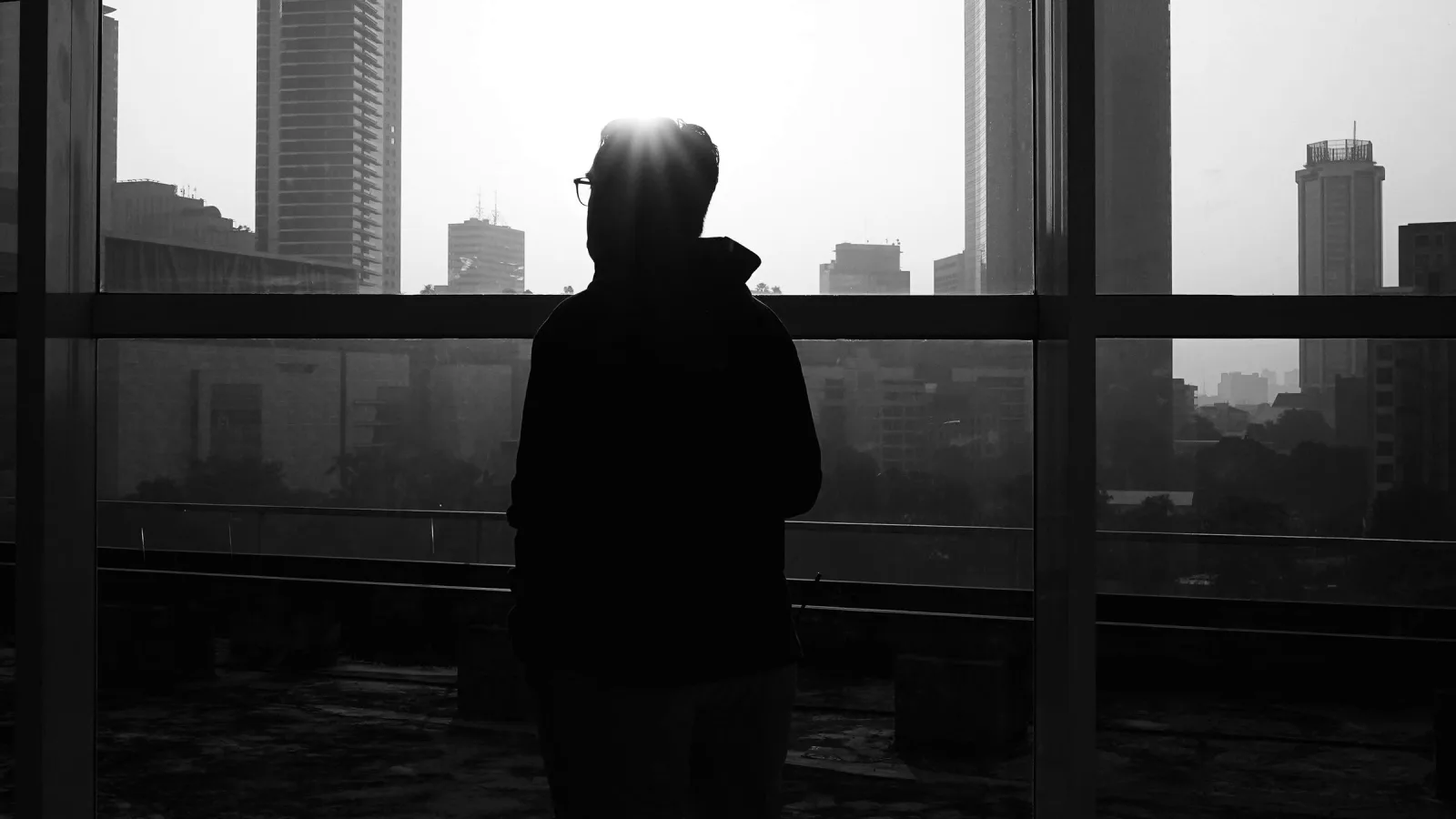
Picture a supervisor at a workshop in Brunei. One of the most reliable technicians on the team has been quiet for a month. The technician still arrives on time and the work still gets done, but has stopped joining the tea break and no longer jokes with the others. The supervisor has noticed, but is unsure whether to say anything. It might be nothing, and nobody wants to pry.
That hesitation is what World Mental Health Day is about. The day falls on 10 October each year. It was first observed in 1992 as an annual activity of the World Federation for Mental Health, which still sets the theme. For 2026, announced on 11 August, the theme is “Lived Experiences Heard: Real Voices, Real Change”.
What the Theme Asks
Read plainly, the theme asks that people who have lived with mental health conditions are heard, and that what they say leads to real change in the decisions that affect them.
At work the idea is simple. The people doing a job know how the job is going. Someone has to ask them, listen to the whole answer and then act on it.
Why It Matters at Work
The World Health Organization estimates that 12 billion working days are lost every year to depression and anxiety, at a cost of US$1 trillion a year in lost productivity. It also estimates that 16% of adults of working age had a mental disorder in 2023.
Work itself is not the problem. The World Health Organization is clear that decent work is good for mental health, giving people a livelihood, a sense of purpose and achievement, and a place in a community. The harm comes from how work is designed and run. Among the risks it lists are excessive workloads, long or inflexible hours, little control over the job, unclear responsibilities, job insecurity, and violence, harassment or bullying.
The International Labour Organization made the same point this year. Its World Day for Safety and Health at Work, on 28 April 2026, had the theme “Let’s ensure a healthy psychosocial working environment”. The ILO estimates that more than 840,000 people die each year from health conditions linked to psychosocial risks at work, mainly cardiovascular disease and mental disorders, including suicide.
None of these risks is a personal weakness. They are features of how work is organised, which means an employer can look at them and change them.
What the Numbers Say in Brunei
More people in Brunei are seeking help. Figures presented at the Knowledge Convention in September 2024 showed that 13,246 people had received treatment for mental health issues so far that year, against 11,231 in the whole of the year before. A rising number can mean more people are struggling. It can also mean more people are willing to ask for help, which is the point of a day like this.
Work is part of the picture. In 2024 a clinical psychologist with the Ministry of Health’s Clinical Psychology Services said that stress, work pressure, relationships and panic attacks were among the main concerns raised by callers to Talian Harapan 145.
The Ministry of Health has started with its own managers. In June 2026 it ran a two day Mental Health First Aid workshop for 30 of its heads of department, held in conjunction with the ministry’s celebration of World Day for Safety and Health at Work. The aim was to help them identify the early signs of mental health problems and know which tools and support to turn to.
SHENA took the same subject for Safety Month 2026, launched on 28 April with the theme “Good Psychosocial Working Environments: A Pathway to Thriving Workers and Strong Organisations”. At the launch, the Chairman of SHENA’s Board of Directors described mental wellbeing as “a fundamental pillar of a strong safety culture”. He warned that excessive workloads, role ambiguity, workplace harassment and prolonged stress can “impair judgement, diminish performance, and heighten the risk of accidents and errors”.
The law points the same way. Under the Workplace Safety and Health Act, Chapter 277, employers must, so far as is reasonably practicable, provide and maintain a work environment that is safe and without risk to health. The method is the same as any risk assessment: look at how the job is done, ask what could cause harm, ask the people who do it, and put something in place. Mental ill health is one of the hazards learners can assess in the practical risk assessment for the NEBOSH International General Certificate.
Listening, in Practice
None of this needs a specialist or a budget. A supervisor can start this week.
- Ask how work is going, and mean it. One person at a time, somewhere quiet, with no hurry. A passing “all okay?” in the corridor usually gets a passing “okay”.
- Let people say what makes the job harder. It may be the workload, the hours, an unclear instruction or a colleague. Hear the whole answer before explaining or defending anything.
- Fix the job before the person. The World Health Organization recommends that employers tackle working conditions directly, through changes to how work is organised. A clashing rota, a task nobody owns or a message that never reaches the site are small things to fix, and fixing them shows that speaking up leads somewhere.
- Train managers to notice. The World Health Organization recommends training managers to recognise and respond to people in emotional distress, and to communicate openly and listen actively. The job is to ask, listen and point someone towards help, not to diagnose.
- Plan the return. After an absence linked to a mental health condition, the World Health Organization recommends combining support at work with ongoing clinical care, so the person can return in a meaningful way.
- Follow up. Go back a few weeks later and ask whether things have changed. One conversation is a start. Asking again is what makes people believe it.
About Talian Harapan 145
Talian Harapan 145, or Hope Line 145, is the Ministry of Health’s line for emotional and crisis support and for information about mental health services. It operates 24 hours a day and offers free, confidential support to people of all ages across the country. It is worth putting the number on the notice board and in the staff group chat, and saving it in a phone before it is needed.
Back to the Workshop
The supervisor with the quiet colleague does not need a course or a policy to begin. A few quiet minutes and a plain question about how work has been lately will do. The answer may be that all is well. It may be that the hours have been wearing them down, or that something at home is on their mind. Either way, they have been asked, and they have been heard.
That is the whole of this year’s theme, at the size of one workplace. And if the answer is more than a supervisor can help with, Talian Harapan 145 is open around the clock.
Sources
- World Federation for Mental Health: World Mental Health Day 2026, 11 August 2026; About World Mental Health Day
- World Health Organization: Mental health at work, fact sheet, 15 September 2026
- International Labour Organization: World Day for Safety and Health at Work 2026; 840,000 deaths a year linked to psychosocial risks at work, 22 April 2026
- Borneo Bulletin: His Majesty calls for urgent action on rising mental health issues, 19 September 2024
- Borneo Bulletin: Increased callers to Talian Harapan following 24-hour expansion
- The Star: Mental Health First Aid workshop aims to build healthier workplaces in Brunei, 12 June 2026
- SHENA: Safety Month 2026 launch, 28 April 2026
- Laws of Brunei, Chapter 277, Workplace Safety and Health, Revised Edition 2024, section 12
- NEBOSH: International General Certificate, GIC2 guidance, specification June 2025
- Ministry of Health: Clinical and Community Psychology Services
- Borneo Bulletin: Hope Line 145 to operate around the clock