
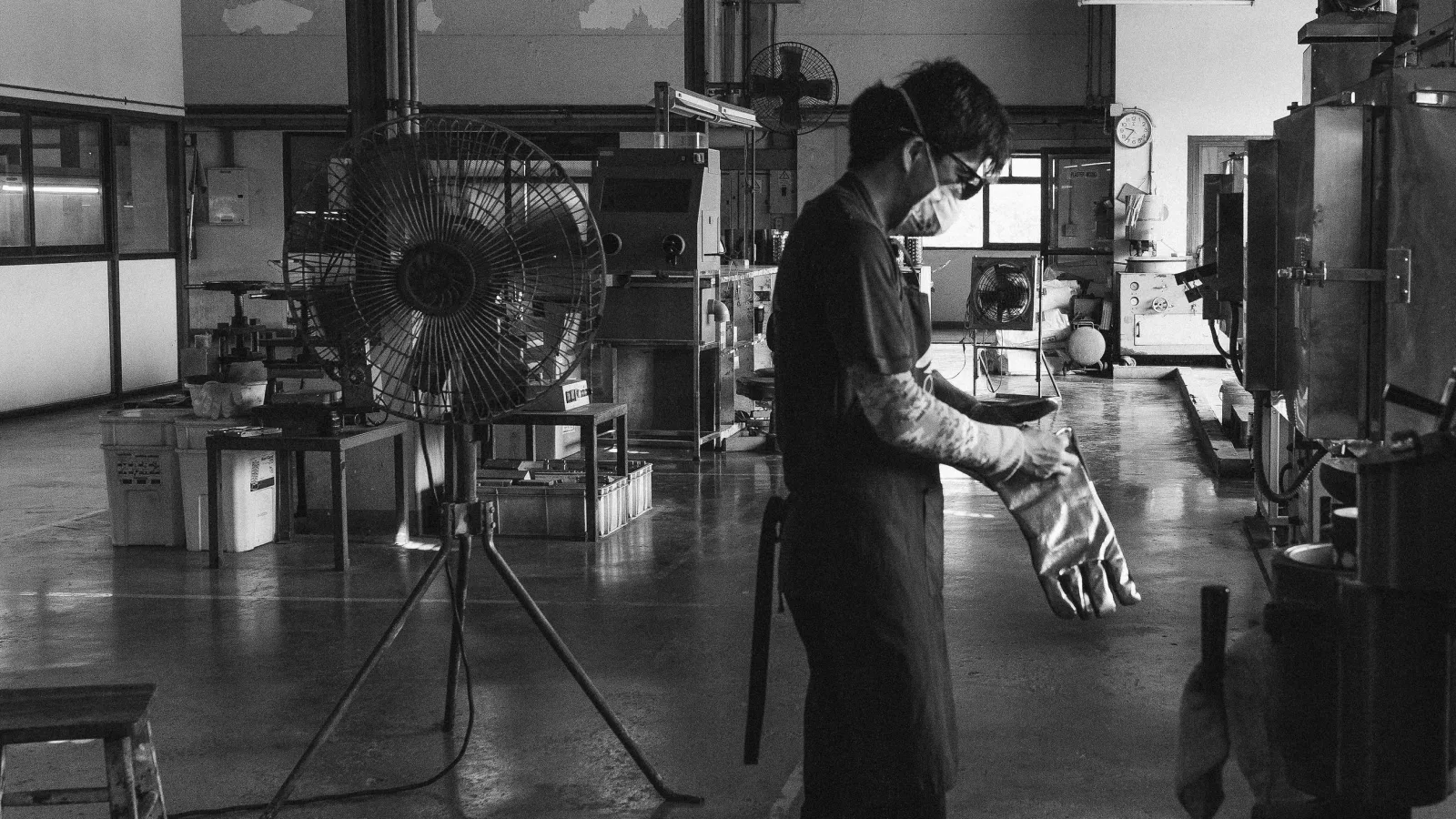
Almost every workplace in Brunei Darussalam keeps chemicals of some kind. A workshop has solvents, oils and gas cylinders. A clinic has disinfectants. A cleaning contractor has a van full of concentrates. The questions that matter are simple ones. Who is in charge of these substances? Is there a safety data sheet for each of them? Would the people using them know what to do if something spilled? In many workplaces those questions take a while to answer.
The law on this is not new. In September 2026, SHENA published fresh guidance that sets out how it expects the duties to be met, along with a syllabus for a new course for the competent persons who take charge of hazardous substances.
The Law in Brief
The Workplace Safety and Health Act, Chapter 277 and its subsidiary Regulations are law. SHENA is the Authority appointed to administer the Act (s.7). Under the Workplace Safety and Health (General Provisions) Regulations, a hazardous substance is any substance listed in Schedule 5, Part 2 of the Act (Reg 2). Division 1 of that Part lists 17 classes of general hazardous substances. They include corrosive, flammable, toxic and oxidising substances, gases under pressure, carcinogens, sensitisers, irritants, and substances hazardous to the aquatic environment.
Most of the duties sit in Part 4 of the General Provisions Regulations, and they fall on the occupier of the workplace.
- Toxic dust, fumes and other contaminants. Where work is likely to give off toxic dust, fumes or other contaminants, reasonably practicable measures must be taken to prevent them building up and to protect people from breathing them in. The options listed are isolating the work, using closed systems, dilution ventilation, local exhaust ventilation and working wet (Reg 39(2)). Where toxic substances are used or given off, the air must be tested by a competent person at sufficient intervals (Reg 39(6)), and SHENA may order further monitoring by a competent person (Reg 39(7)). The results are kept for at least five years (Reg 39(8)).
- Exposure limits. All reasonably practicable measures must be taken to ensure that no person at work is exposed above the Permissible Exposure Levels set out in Schedule 1 (Reg 40(1)).
- A competent person in control. All hazardous substances must be under the control of a competent person with adequate knowledge of their properties and dangers (Reg 41(1)).
- Warnings. Warning notices must be displayed in languages that the people at work understand, and those who may be exposed must be told about the hazards and the precautions (Reg 41(2), (3)).
- Safe keeping. Hazardous substances must be kept, stored, used, handled and disposed of without putting anyone at risk (Reg 41(4)).
- Labels. Every container must carry a warning label, so far as is reasonably practicable (Reg 42).
- Safety Data Sheets. The occupier obtains the Safety Data Sheet (SDS) for each substance, assesses it, takes the precautions it calls for and makes it available to everyone who may be exposed (Reg 43(1)). The seller must provide an accurate SDS (Reg 43(2)).
- Consumer packages. Products in consumer packages intended for retail sale are excluded from Regulations 41 to 43 (Reg 43A).
A “competent person” is someone with sufficient experience and training for the work who has passed any course the Authority requires (Reg 2). That definition is the link to the new course described below.
Breaching a duty under these Regulations can lead to a fine of up to B$20,000, imprisonment for up to two years, or both (Reg 45).
Several other Regulations apply to the same work:
- Employers, principals and self-employed persons must assess and control the risks, keep records of the assessment, and tell anyone who may be exposed about the risks and controls. Assessments are reviewed at least every three years, and sooner after an injury or a significant change in work practices (Risk Management Regulations, Regs 3 to 7).
- An occupational disease must be reported to SHENA within 10 days of the employer receiving the written diagnosis (Incident Reporting Regulations, Reg 6). Deaths, dangerous occurrences and certain injuries are also reportable (Regs 3 to 5).
- Where toxic or corrosive substances may come into contact with the eyes or body, facilities for quick drenching or flushing must be provided and maintained within the work area (First-Aid Regulations, Reg 7(2)).
SHENA’s 2026 Guidance
On 30 September 2026 SHENA issued three documents on general hazardous substances.
- 2026/IGN/02, Managing General Hazardous Substances in a Workplace. This is the main guidance. It covers classification using GHS Rev.7, warning labels, Safety Data Sheets, the hazardous substance register, storage, spill preparedness, exposure monitoring and health surveillance.
- 2026/NTI/02, Self-Assessment Checklist. The checklist has 29 questions in five sections: hazardous substances, warning labels, Safety Data Sheets, toxic substance control and exposure monitoring, and other key elements. Where any answer is “No”, SHENA’s outcome guide says corrective actions should be identified, implemented and monitored. Where there are several, it recommends a comprehensive review.
- Course Syllabus 2026/NTI/03. This sets out the syllabus for the competent person course.
SHENA states that the guidance and the checklist do not create new legal duties. They show how the existing ones are expected to be met.
A Practical Checklist
The points below draw on the Regulations and on SHENA’s guidance. Where only the guidance is cited, the point is recommended practice rather than a legal duty.
- Keep a hazardous substance register. Record the name, CAS number, supplier, quantity, location, classification, SDS date and the person responsible.
Aligned with: IGN 11.1 - Hold a current SDS for every substance. Review each one at intervals of no more than five years.
Aligned with: Reg 43, IGN 10 - Label every container. This includes decanted and secondary containers that are stored, moved or left unattended.
Aligned with: Reg 42, IGN 9.2 - Assess the risk of each chemical task and record it.
Aligned with: Risk Management Regs 3 to 5 - Store incompatible substances apart and keep spill kits ready.
Aligned with: IGN 12.3, IGN 13.1 - Provide eye wash and drench facilities wherever corrosive or toxic contact is possible.
Aligned with: First-Aid Reg 7(2), IGN 13.2 - Appoint a trained competent person to control hazardous substances.
Aligned with: Reg 41(1) - Work through SHENA’s Self-Assessment Checklist.
Aligned with: 2026/NTI/02
The New MGHS Course
Course Syllabus 2026/NTI/03 sets out a new course, Management of General Hazardous Substances in a Workplace (MGHS, SHENA/SHC/009). It connects with the competent person duty in Reg 41(1) and the definition in Reg 2. Whether a person is recognised as a competent person is for SHENA to determine.
The syllabus has three lessons:
- Legal Requirements for Hazardous Substances Management (8 hours)
- Analyse Health, Safety and Environmental Hazards and Risks (12 hours)
- Determine and Implement Control Measures for Hazardous Substances (4 hours)
The assessment set by the syllabus is a written examination, with a pass mark of 70%.
Know the Law, Then Check the Workplace
The 2026 guidance adds no new legal duties. It explains how the existing duties under the Act and its Regulations are expected to be met, and the Self-Assessment Checklist turns them into 29 plain questions. The quickest way to find out where a workplace stands is to work through the checklist honestly, starting with a walk round the chemical store.
Sources
- SHENA: 2026/IGN/02, Managing General Hazardous Substances in a Workplace, 30 September 2026
- SHENA: Self-Assessment Checklist: Managing General Hazardous Substances in a Workplace, 2026/NTI/02, September 2026
- SHENA: 2026/NTI/03, Course Syllabus: Management of General Hazardous Substances in a Workplace, 30 September 2026
- Laws of Brunei: Workplace Safety and Health (General Provisions) Regulations, Revised Edition 2024
- Laws of Brunei: Workplace Safety and Health (Risk Management) Regulations, Revised Edition 2024
- Laws of Brunei: Workplace Safety and Health (Incident Reporting) Regulations, Revised Edition 2024
- Laws of Brunei: Workplace Safety and Health (First-Aid) Regulations, Revised Edition 2024
- Laws of Brunei: Workplace Safety and Health Act, Chapter 277